
QH Brag About Your "Firsts" v1
QH Discussions
A red-letter day for sure ... I received my very first harvest of Kalana 5 ... it's now aging and I'll post pics once it's bottled!!

A red-letter day for sure ... I received my very first harvest of Kalana 5 ... it's now aging and I'll post pics once it's bottled!!
The first time you do something is oftenquite memorable so here's a spot where we can share our QH Co-op accomplishments.
Given that we're all just starting out there should be many so go ahead and brag a bit!
October 22, 2016: This discussion proved so popular that I'm going to close this version and open a new one !
Smithing may be considered by some to be difficult but really it's not any harder than cooking a good meal. With some simple ingredients, a basic "plan of attack" and some time, you'll be well on your way to becoming a master of the trade. Here are some basics to help you along.
Smithing can be broken into three essential activities:
MINING
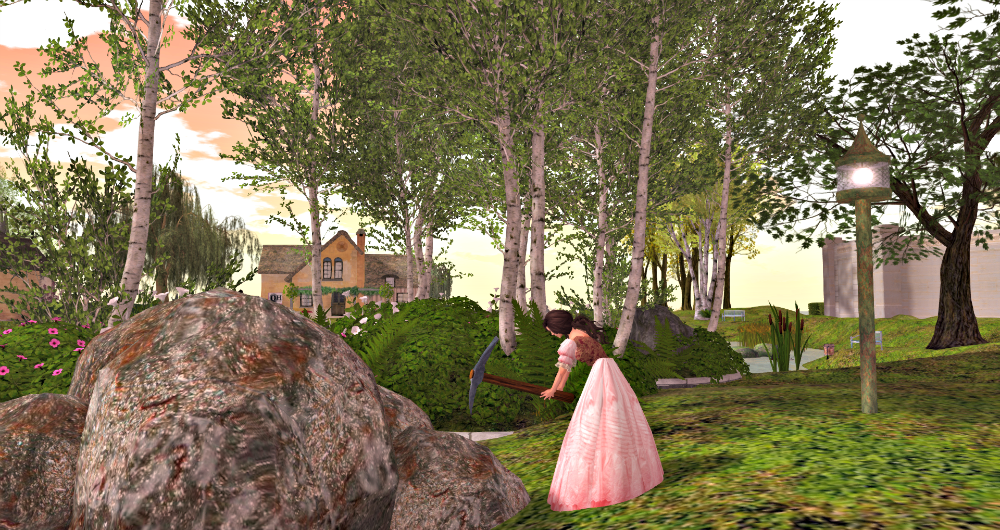
You will find the iron mine here .
To start a session at the mine:
One session at the mine lasts about 8 minutes after which you will be asked to accept a basket of Iron Ore. The number of pieces of ore in a basket is determined by your energy level (higher is definitely better) and the condition of your pickaxe. Your pickaxe will wear down over time and will need to be fixed.
The Iron Mine has a limit of 100 sessions so please try to make every one count by keeping your energy levels up and your pickaxe sharp.
CASTING
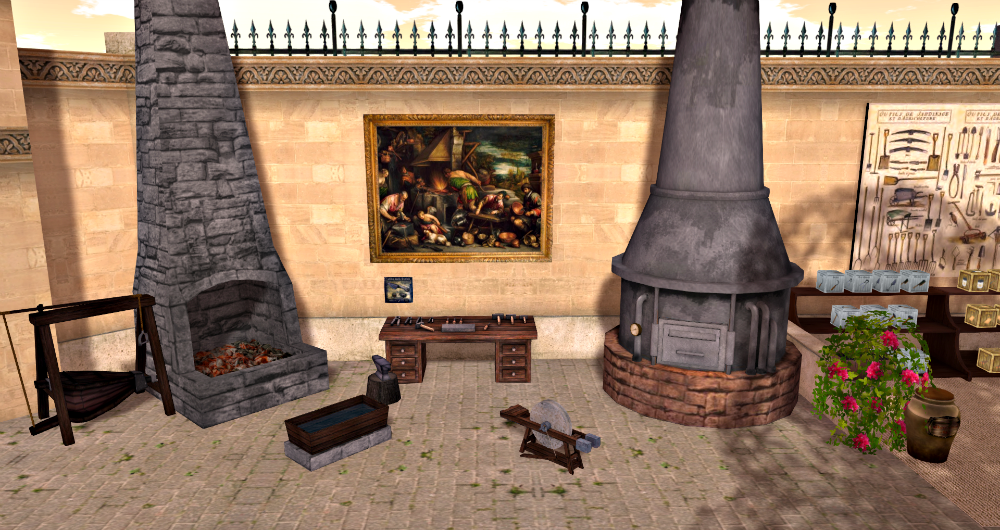
Both the Foundry (on the right) and the Forge (on the left) are found in the Market .
The Foundry will turn your baskets of Iron Ore into Iron Ingots (10 pieces of ore = 1 ingot). This furnace is fueled by Tharlarion's Oil which can be purchased at wholesale prices right next to the Foundry. I found that it's best to cast many batches of ore at one time to save on oil.
To start a session at the Foundry:
Whew! You should now have a pile of iron ingots in your inventory!
FORGING
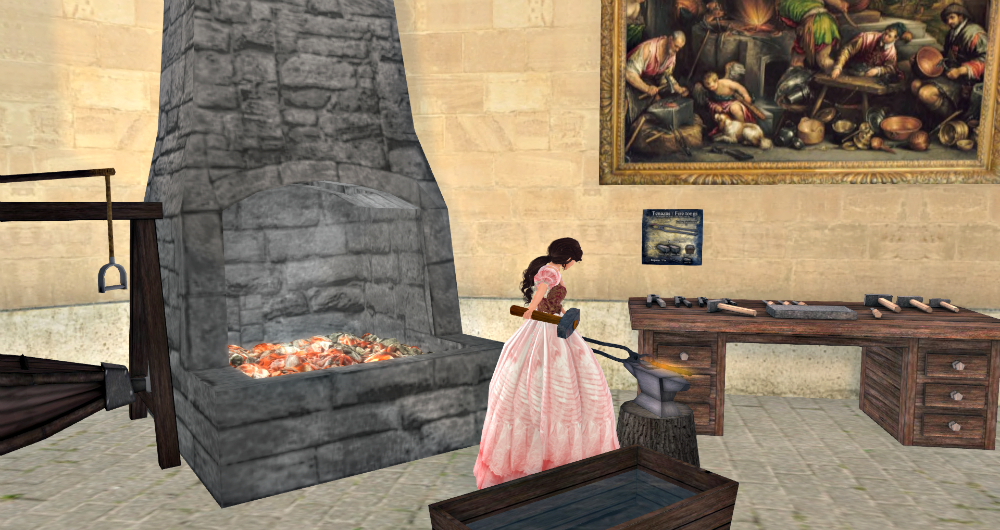
Here's the part that's most like cooking (just a tad bit louder). The book of "ingredients' for products is right above the desk. You must feed these materials to the Forge in the correct order to succeed. The Forge also requires Tharlarion's Oil as fuel. Again, it's best to plan ahead to make the best use of your oil supply.
To start a session at the Forge:
Forging takes a lot of energy so I found that it's best to start out at 100% and have extra meals available to snack on while you're working.
As with the pickaxe, the hammer & tongs also wear out and can then be repaired.
There you have it! You're on your way to providing tools & other lovely items to the Hamlet!
Please see Blacksmith:Apprenticeship Program if you need help getting started.
Excellent! I'll pass on the starter set of tools to you inworld. There is some Thalarion oil in the market right now and I can get morewhen needed.
I'll keep a waiting list for when the next set of tools is ready 
You've read Blacksmith: The Basics and want to get started but you can't afford/find all the tools necessary. This Apprenticeship Program may help you out.
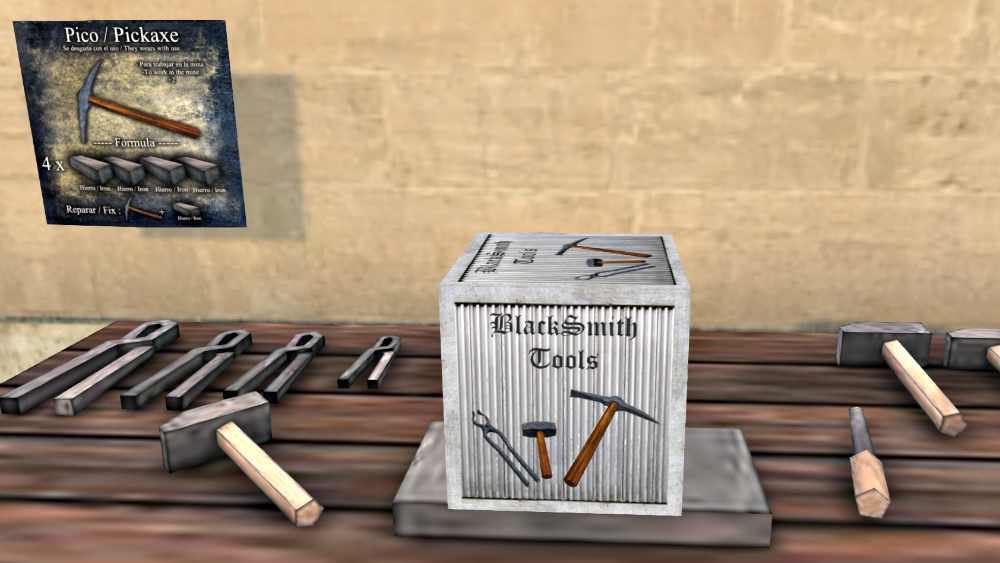
In an effort to promote smithing throughout the Hamlet, the Queen has founded an Apprenticeship Program as follows:
You will be provided with:
You must:
Your Apprenticeship is considered complete when you have delivered the new Hammer, Pickaxe and Tongs to the Estate Manager (for the next Apprentice to use).
Congratulations, you are now a full-fledged Blacksmith and have helped to make another apprentices' dreams come true by providing them with their own tools.
Right now we have a very limited set of tools so we will start an apprenticeship waiting list should the need occur. Contact Tatiana for further details.
It really is fascinating to study. One bonus of using G&S is that the larger community is very mature, i.e. they've been around for 8? years now, so it gives us an idea of where we're heading if we're successful.
I wanted people to understand the thinking behind the Manger setting some prices which seemso out of range right now while others are more reasonable.
And yes, the bait is insanely low in price. I'll have to pick some up for myself.
If you don't want to be bothered selling it yourself, the Co-op may buy it from you at wholesale prices. We're trying to fill up the boxes already out so if you see some that are empty there's a good chance the Co-op will purchase it. Check with Tatiana before just to make sure there's enough funds for the sale.
If you want to sell meals yourself, yes you put it in the appropriatevendor (see Becoming a Merchant: Setting up Vendors ). The vendor scripts send you a message when something has been purchased. You can also look at the "Units Available" to see how many remain in the vendor.
I hope this helps to answer your question. What else are you trying to keep track of?
Some thoughts on the "Art of Pricing" for our particular situation.
One of the hardest aspects of becoming a merchant can be devising and then maintaining a "profitable" pricing strategy. It's an art, long studied and difficult to master. With the QH Co-op the intention is to profit in a number of ways including having fun & interacting. Slaying the "competition" and/or hoarding Coins will definitely be detrimental to this goal. We want to keep the economy growing and the money circulating.
I have a few thoughts on how to accomplish this and we'll just have to see how they pan out.
RETAIL PRICING
In most cases, the Estate Manager will be setting the retail price of Co-op items fairly high. I've been scoping out the current pricing from one of the largest G&S markets and intend to use those as a base.
The intention here is to allow regular merchants some breathing room where they can set their prices lower (how low is another discussion & ultimately up to the merchant) and therefore attract interested buyers first.
Co-op items sold by the Estate Manager may also be made available for L$. This would benefit someone new coming into the community who has no intention of farming. A chef, for example, could still buy all the ingredients needed to prepare a meal.
Some exceptions to "higher pricing" are necessary at this stage of the game the best example being the sale of Fish. Their price is currently rock bottom compared to the world at large but it does help our poor pioneers gain energy as they wait for their first harvest. It will be interesting to see if fish prices should eventually be raised as the community matures.
Another exception will probably be the sale of grain. Right now farmers can sell grain to the Grain Merchant for around 30c and buy grain for around 40c. It may be more strategic for the Co-op to sell at least some of our own grain back to the community for 30c. This will allow us to keep our hard earned harvests in circulation but requires a Wholesale Pricing strategy.
WHOLESALE PRICING
Once the Co-op has accumulated enough coins (we're not there quite yet), the Estate Manager may offer to buy items at wholesale prices directly from the producer (farmer, artisan, etc.). This will allow producers who are not interested in selling to the public an income. It should also keep the economy moving. It's a theory ... let's see how it eventually flies 
Questions? Comments? I really should have paid more attention in that one Economics course. It would have come in really handy now!